
Readiness, injury prevention, recovery and habits that make you a better floorball player. Practical tips you can put to use in the app right away.
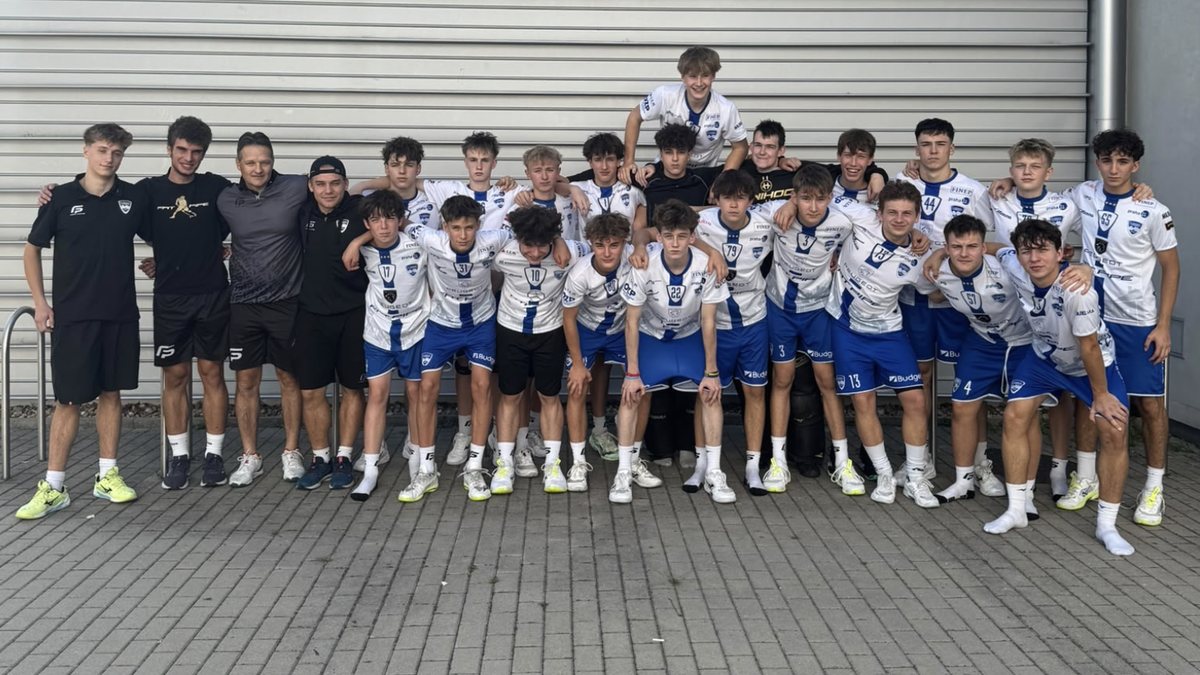
How the Florbal Chodov junior team moved from deciding on instinct to deciding on data. 70 percent of logs without reminders, a player who changed his hydration because of it, and coaches easing off a player heading into overtraining.

Mental skills can be trained like shooting. Focus, handling pressure, confidence and routines, how to start mental training and why it decides matches.

Pre-match nerves are not the enemy, they are energy. How to handle them: breathing, routine, reframing, a plan for the first minutes. Practical techniques.

Why focus fluctuates and how to hold it for a whole game: broad vs. narrow attention, resetting after mistakes, triggers and the role of fatigue.

Visualization is not magic, it is training for the brain. How to rehearse a game properly: first person, all senses, real speed, and mistakes with their fixes.

Why strength drives speed, power and injury prevention. What to train, how much and when across the season, a practical strength framework for floorball players.

What HRV (heart-rate variability) is, why it’s a more sensitive recovery marker than feel, how to measure it and how to steer training by it. With a chart and examples.

Why morning resting heart rate says a lot about your recovery, what a rise means, how to measure it correctly and how to spot approaching fatigue or illness by it.

What heart-rate zones are, how to calculate them from your maximum heart rate, why an hour easy isn’t the same as an hour of intervals and how HR-weighted load measures training more honestly.

What RPE and sRPE are, how to compute load in units from perceived difficulty and session length, why it works surprisingly accurately and how to use it to manage form.

What a readiness score is, which factors feed into it (sleep, fatigue, stress, pain, load), why one number saves time and how to adjust today’s training by it.
Why floorball isn’t decided by long-distance running but by repeated explosiveness, a strength base and the ability to recover quickly between shifts. How to build conditioning smartly.
Ankle, knee, groin, back and wrist, why they happen in floorball, what the warning signs are and what specifically to do for prevention. A practical overview.
How to build a pre-match routine so your body and mind work at full, sleep, food and hydration, a dynamic warm-up and mental setup. A practical plan.

Why sleep is the most powerful recovery tool, how much an athlete needs, how a shortfall shows up in performance and health and how to improve sleep in practice.

How to eat before training for energy and after it for recovery, carbs, protein, hydration and timing. No extremes, with examples that work.
The difference between active and passive recovery, when each fits, what actually works for recovery (and what’s just marketing) and how to plan a rest day smartly.
Why growing bodies are sensitive to overload, how to tell a child is doing too much and how to manage training, matches and school sensibly. For parents and youth coaches.

How to tell a young athlete is overtrained, fatigue, loss of appetite, mood swings, frequent illness and pain. What to do and how to prevent overtraining.

What ACWR (acute:chronic workload ratio) is, how it’s calculated, where the sweet spot and the danger zone are, and how it helps you prevent overload injuries. With charts and examples.

A 30-second morning team overview: who’s fit, who’s on the edge, who’s red. How to read the whole squad’s form and decide by data, not gut feeling.

A diary makes you a better player because you stop guessing and start knowing. How to keep logs that actually move you forward, without needless work.

Performance doesn’t grow in training but in recovery. How sleep and managed load decide your form, and how to look after recovery so you come back stronger.

Why the best players ask each morning “how am I today”, and how a few numbers tell you when to go full and when to ease off smartly.

Overload doesn’t come overnight. Learn to read the warning signs, sleep, fatigue, pain and the ACWR load ratio, and prevent a layoff before it sidelines you.